Travel · Aug 05, 2026 · 7 min read
Notes from Italy: what a culinary trip taught me about slowness.
Parmigiano caves, Tuscan wine barrels, a kitchen in Bologna, and the realization that the Italians and us are not so different after all.
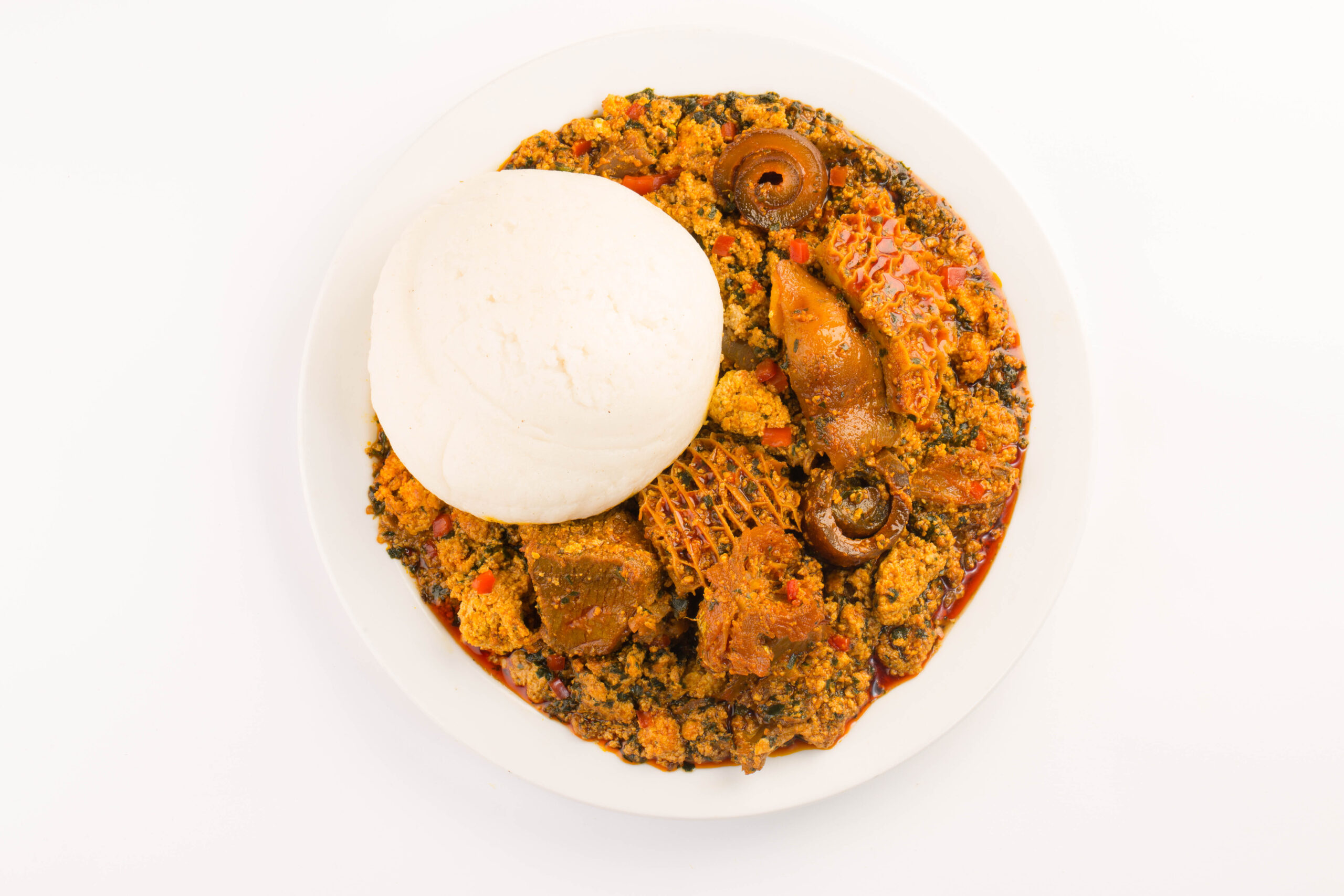
I didn't expect to think about egusi soup in a cheese cave outside Parma. And yet, standing between walls of Parmigiano-Reggiano wheels stacked floor to ceiling — thousands of them, each one ageing slowly in the cool dark — the thought arrived completely unbidden. This is what we do. This is what patience looks like when a culture decides something is worth the wait.
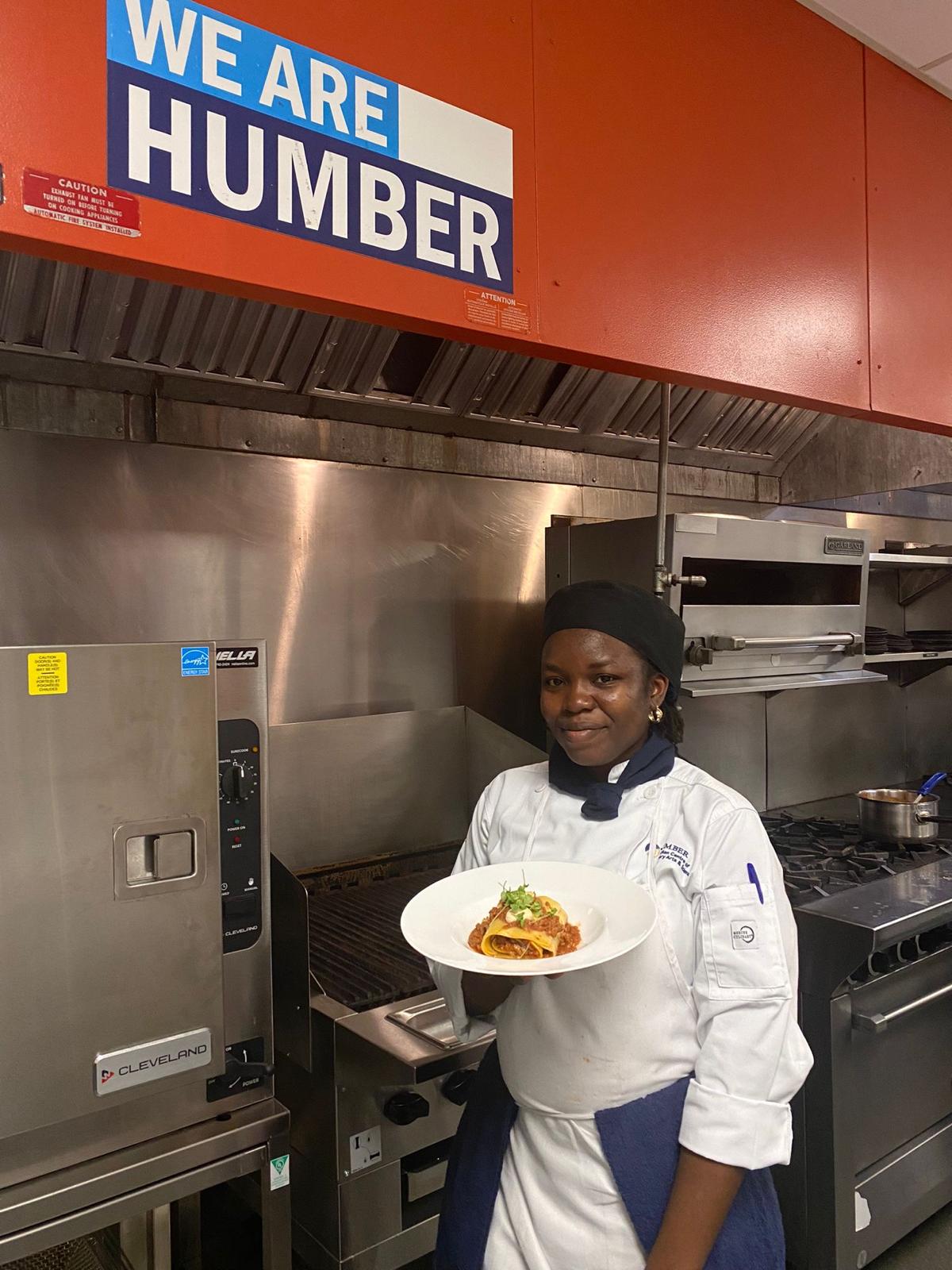
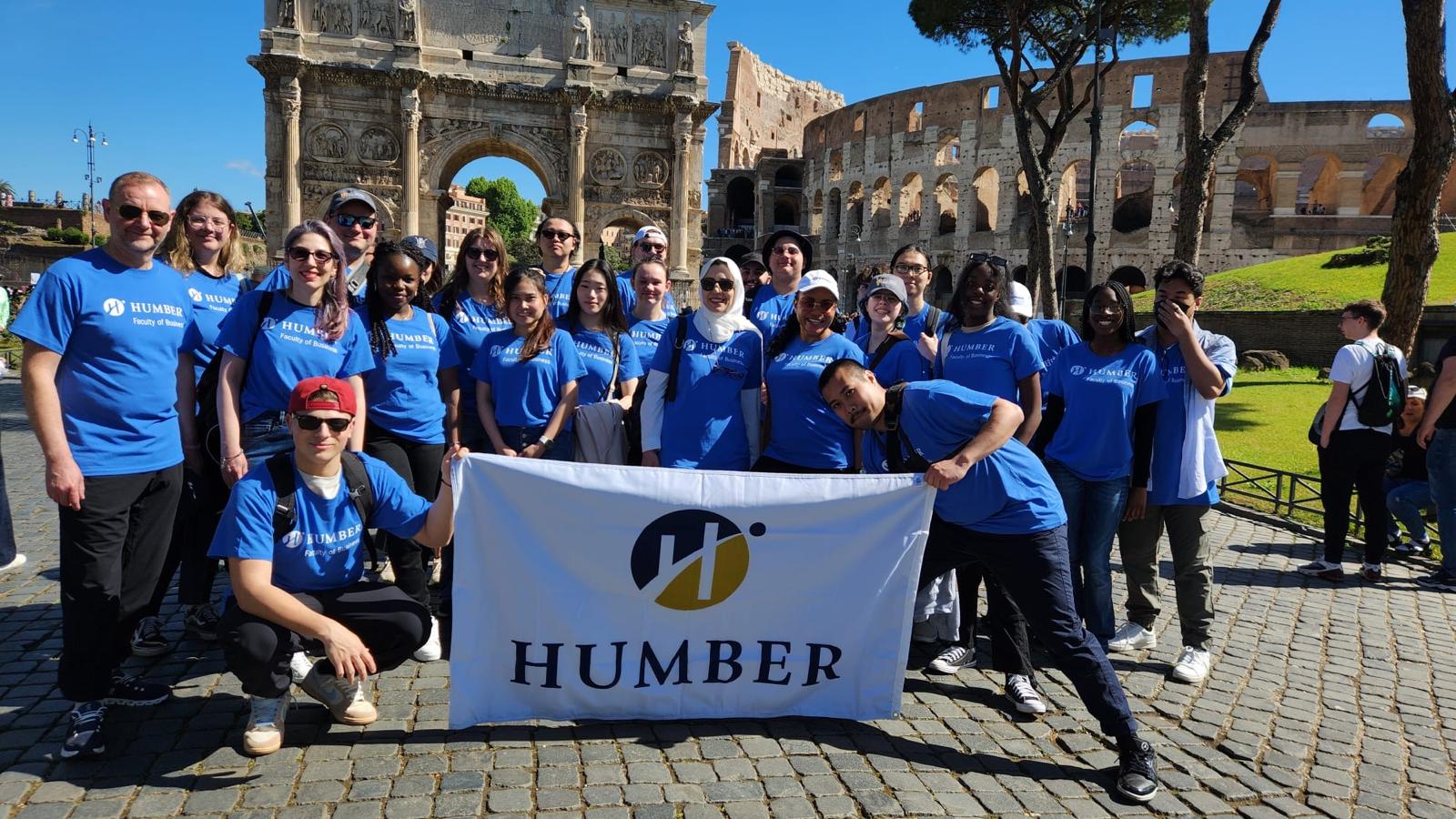
I travelled to Italy with Humber College's Faculty of Business as part of a culinary study programme — a group of students in chef whites, notebooks in hand, moving through Rome, Bologna, and Tuscany over ten days. We visited producers, sat in professional kitchens, ate well, argued about flavour, and came back changed in small, lasting ways.
Rome first, then the work.
We started in Rome. The Colosseum in the morning, the kind of heat that makes you grateful for shade and cold water. There is something grounding about standing in front of something that old — it puts a kitchen in perspective. Your mother's pepper soup recipe is three generations deep. This wall is two thousand years old. Everyone is just doing what they learned from someone who came before them.
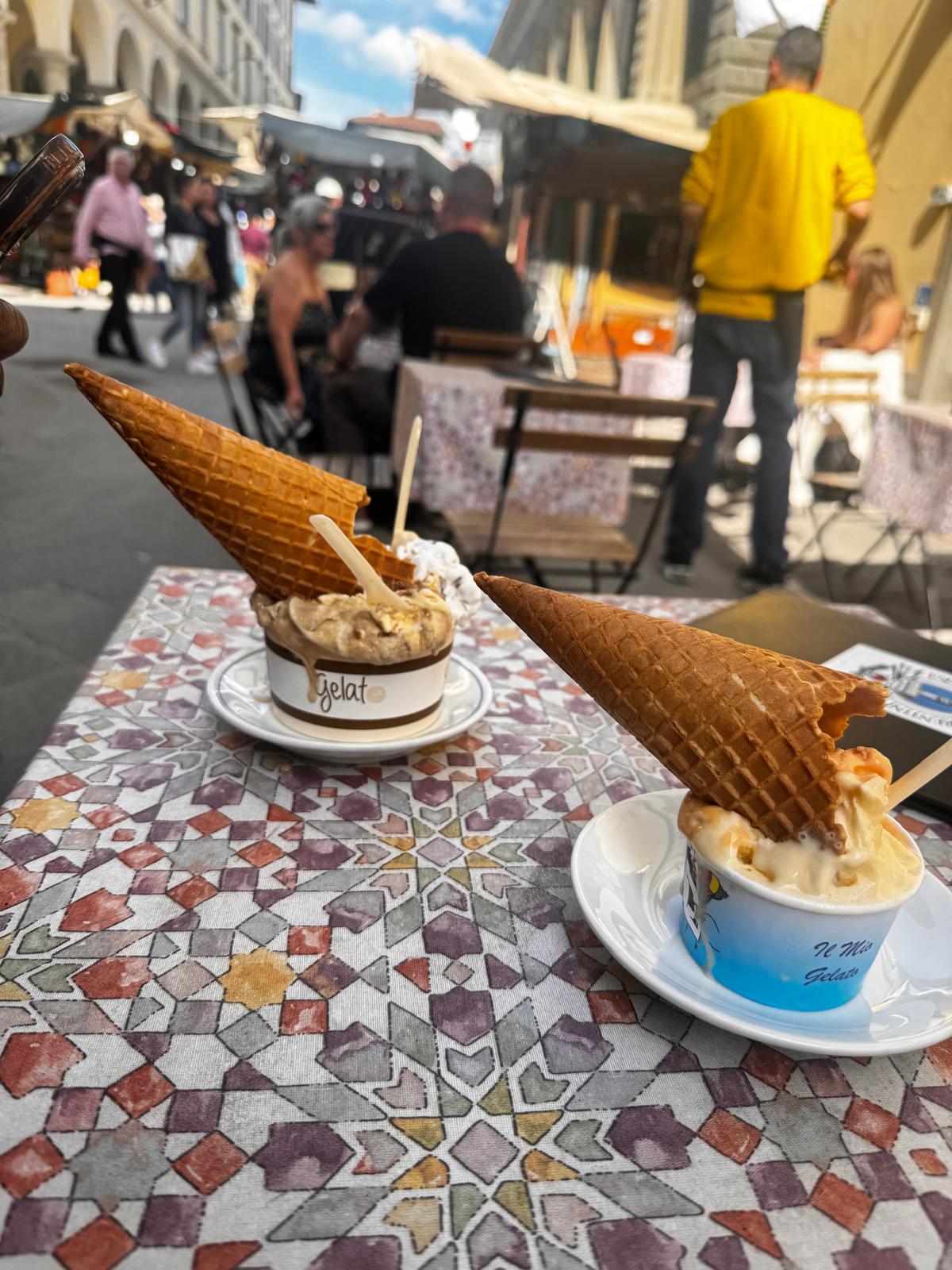
Rome's food markets were the real classroom. Stalls selling cured meats, hand-pulled mozzarella still warm from the bath, tubs of olives that tasted of nothing like the olives I had grown up with. I bought a cone of gelato in a piazza and stood there for a long time thinking about texture.
The cheese cave.
The Parmigiano-Reggiano visit was the one I keep returning to. We drove out of the city, past vineyards and farmland, to a caseificio — a cheesemaking facility — that had been producing the same cheese, by the same method, for generations. We put on protective gowns and were walked into the ageing room.
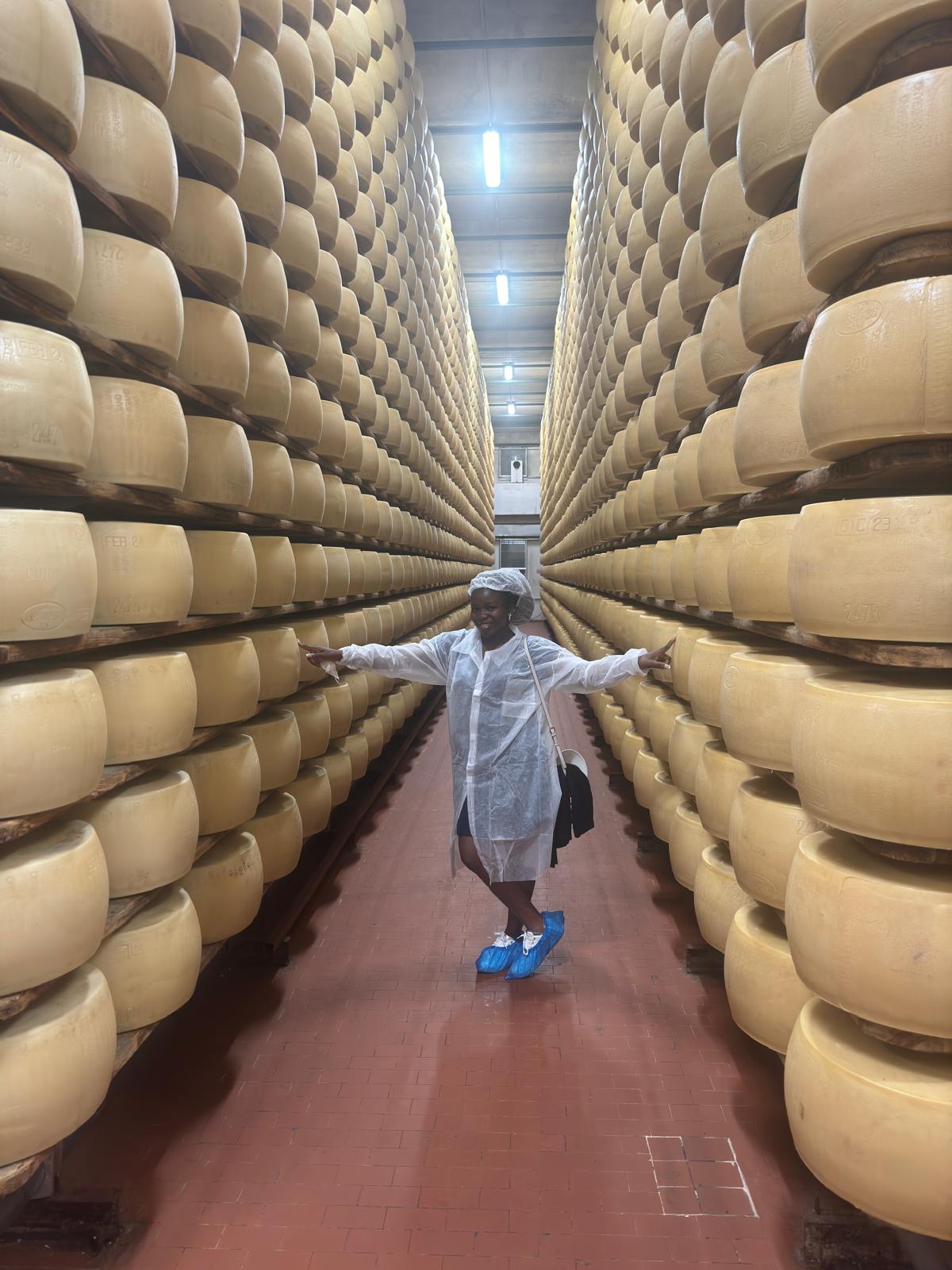
The minimum ageing time for Parmigiano-Reggiano is twelve months. Most of what you find in the world is aged twenty-four. The best is thirty-six. In that room, you understood why. The younger wheels were fine — clean and milky. The older ones had a crystalline depth that caught in the back of your throat. Time, doing exactly what time does.
The Italians have a word, lentezza — slowness — that is not laziness, not inefficiency. It is the deliberate choice to let a thing become what it wants to become.
Castello Banfi and the logic of patience.
From Bologna we drove south into Tuscany, into the Montalcino region, to visit Castello Banfi — one of the largest wine estates in Italy. The landscape changed completely: rolling hills, cypress trees, the particular golden light that makes Tuscany look like a painting of itself.
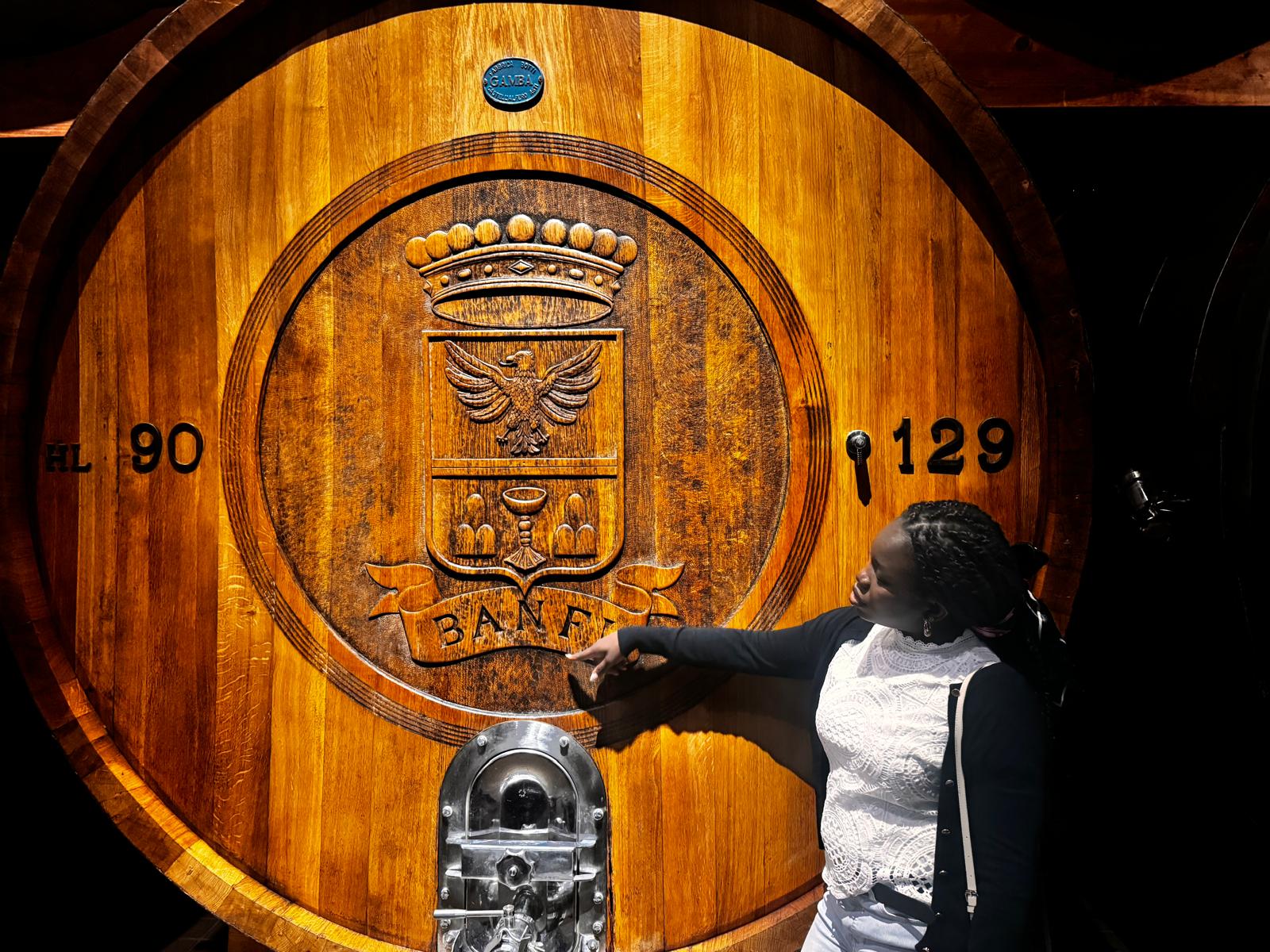
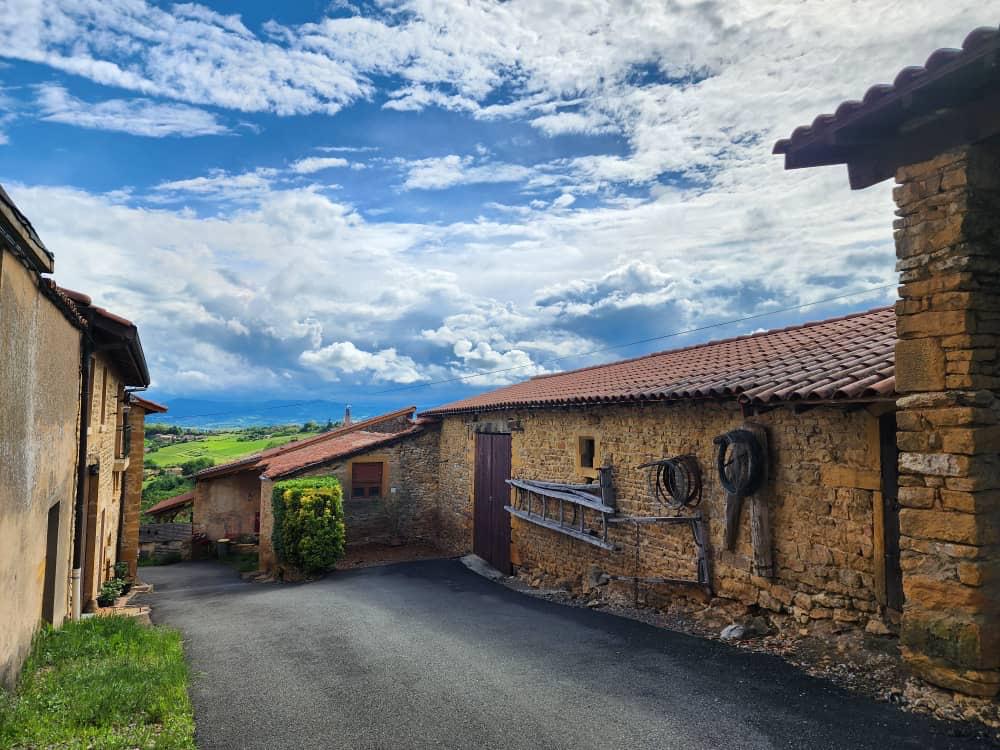
The cellar visit was another lesson in time. Barrels stacked in the dark, each one holding a wine that would not be ready for years. The estate produces Brunello di Montalcino — a wine that by law cannot be released until five years after harvest. Five years in the making before a single bottle is opened. I thought about the egusi I had been developing for the past month and felt briefly embarrassed by my impatience.
The kitchen in Bologna.
Bologna was where we cooked. We spent a morning in a professional kitchen with an Italian chef who spoke limited English and communicated entirely through demonstration. He made fresh pasta — tagliatelle — with a speed and economy of movement that made it look like breathing. Then he handed us the rolling pins.
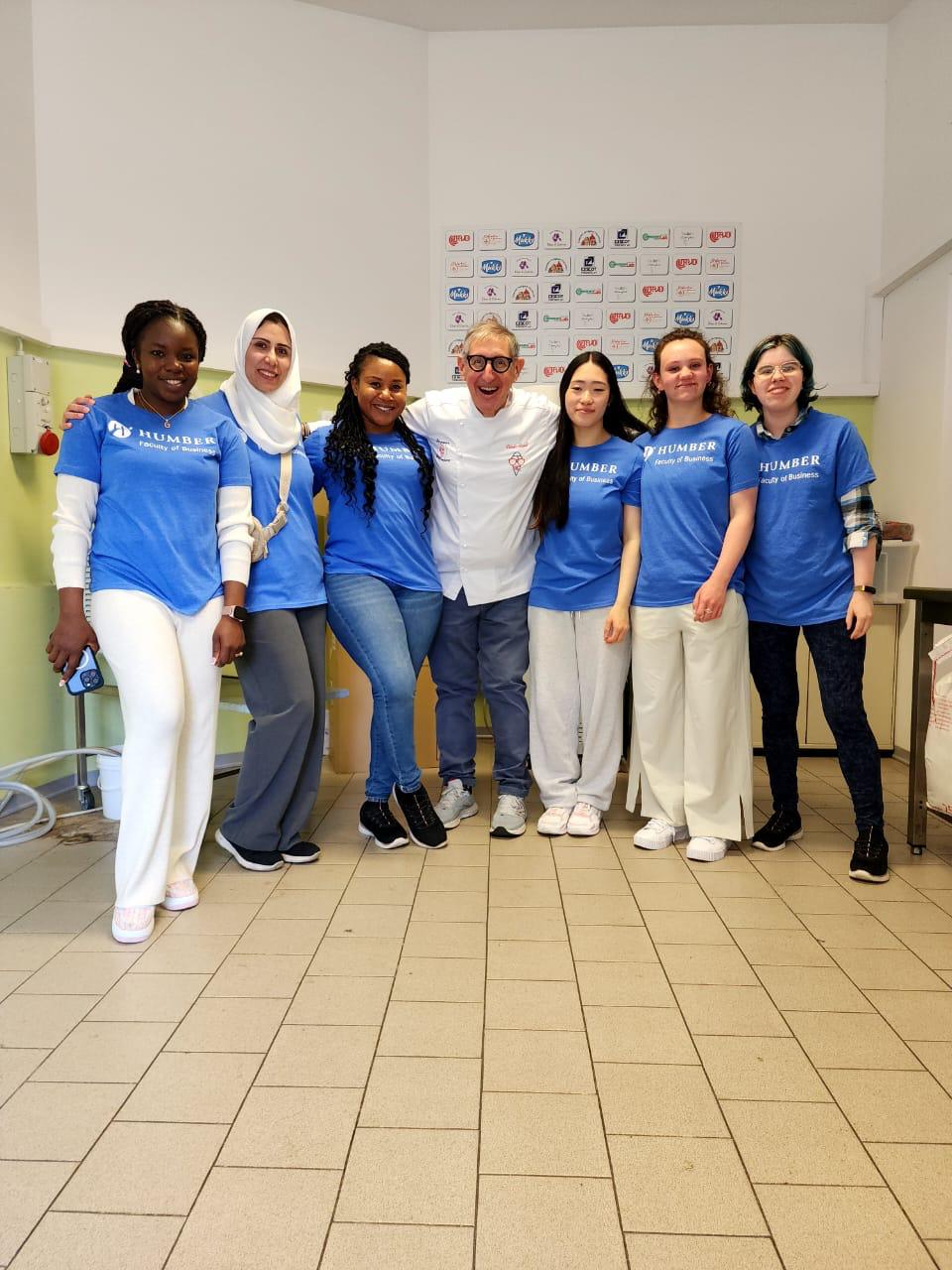
My pasta was not good. It was too thick in places, torn in others. But the act of making it — of feeling the dough change under your hands, of understanding the exact moment when it becomes elastic rather than stiff — that transferred. The material knowledge. The thing that no written recipe can give you.
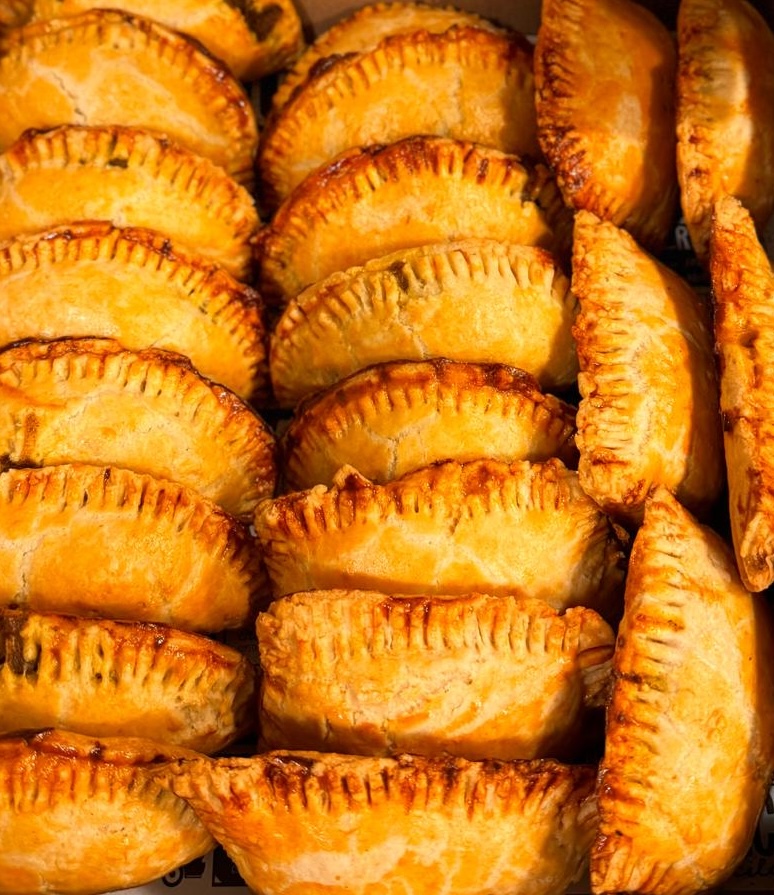
I thought about our meat pie dough. I thought about how I tell people that you can feel when it's right, and how nobody believes you until they've stood there with their hands in it. The Italians know this. Every culinary tradition worth its salt knows this. The knowledge lives in the hands, not the notes.
I came home with a suitcase, a notebook full of thoughts, and the quiet certainty that the right answer, in almost any kitchen, is usually more time.
What Italy gave me was not technique — I already had technique. It gave me permission. Permission to be slower, more deliberate, less apologetic about the time our food takes. Our cuisine has always been slow. The soups that braise for hours, the doughs that rest overnight, the stocks that start on Tuesday. We just stopped saying so out loud.
We're saying it now.