Behind the Kitchen · Jul 20, 2026 · 5 min read
The Humber chapter: what culinary school actually teaches you.
On joining Humber's Canadian Centre of Culinary Arts & Science, learning to cook the classical way, and what happens when a heritage kitchen meets a French brigade.
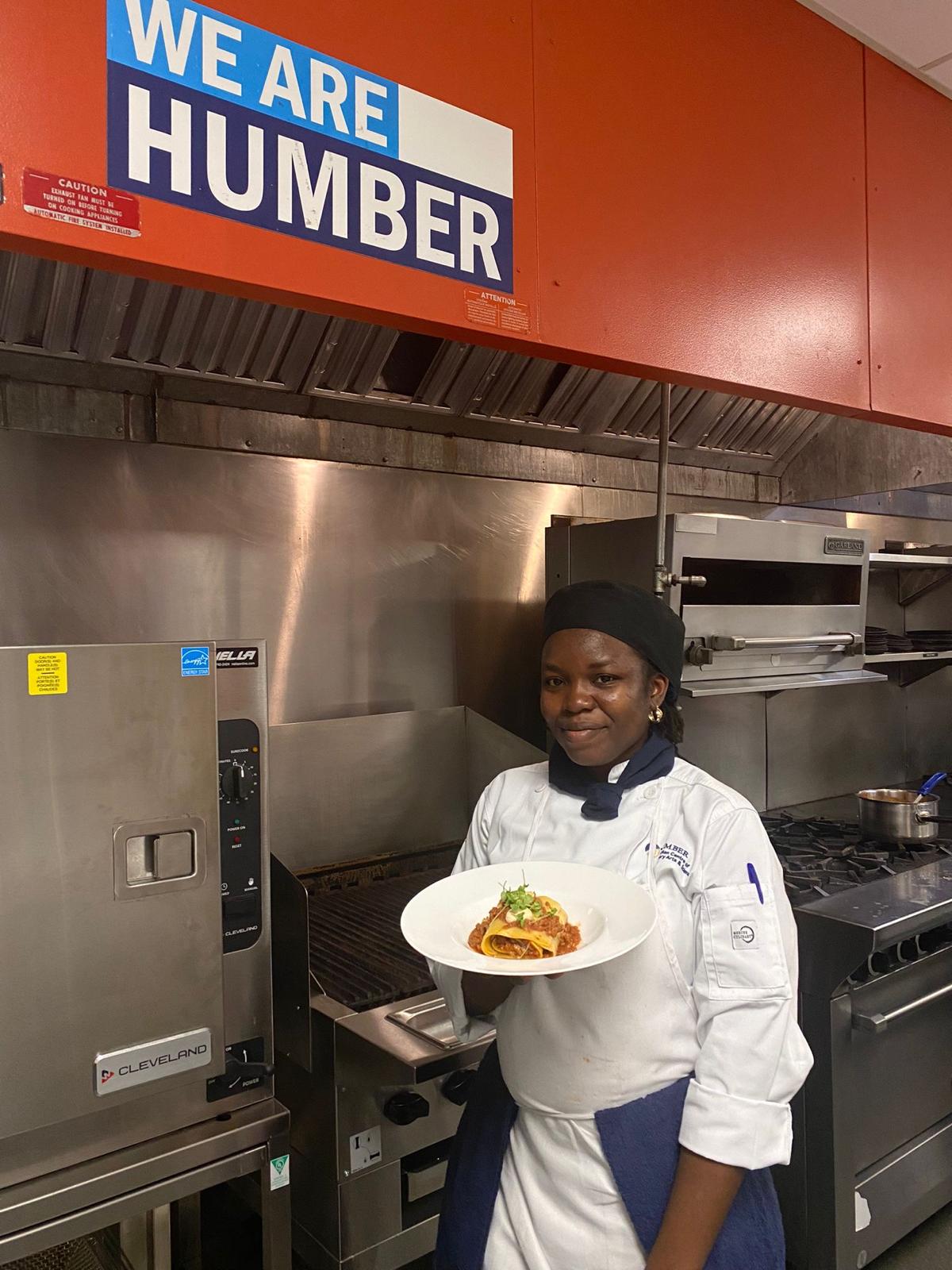
The first thing I noticed when I put on the whites was the weight of them. A proper chef's jacket — double-breasted, thick cotton, the Humber emblem on the chest — is not a light garment. It is also not decorative. It is armour. You are about to stand over fire for several hours and it will protect you, and you will sweat, and that is the deal.
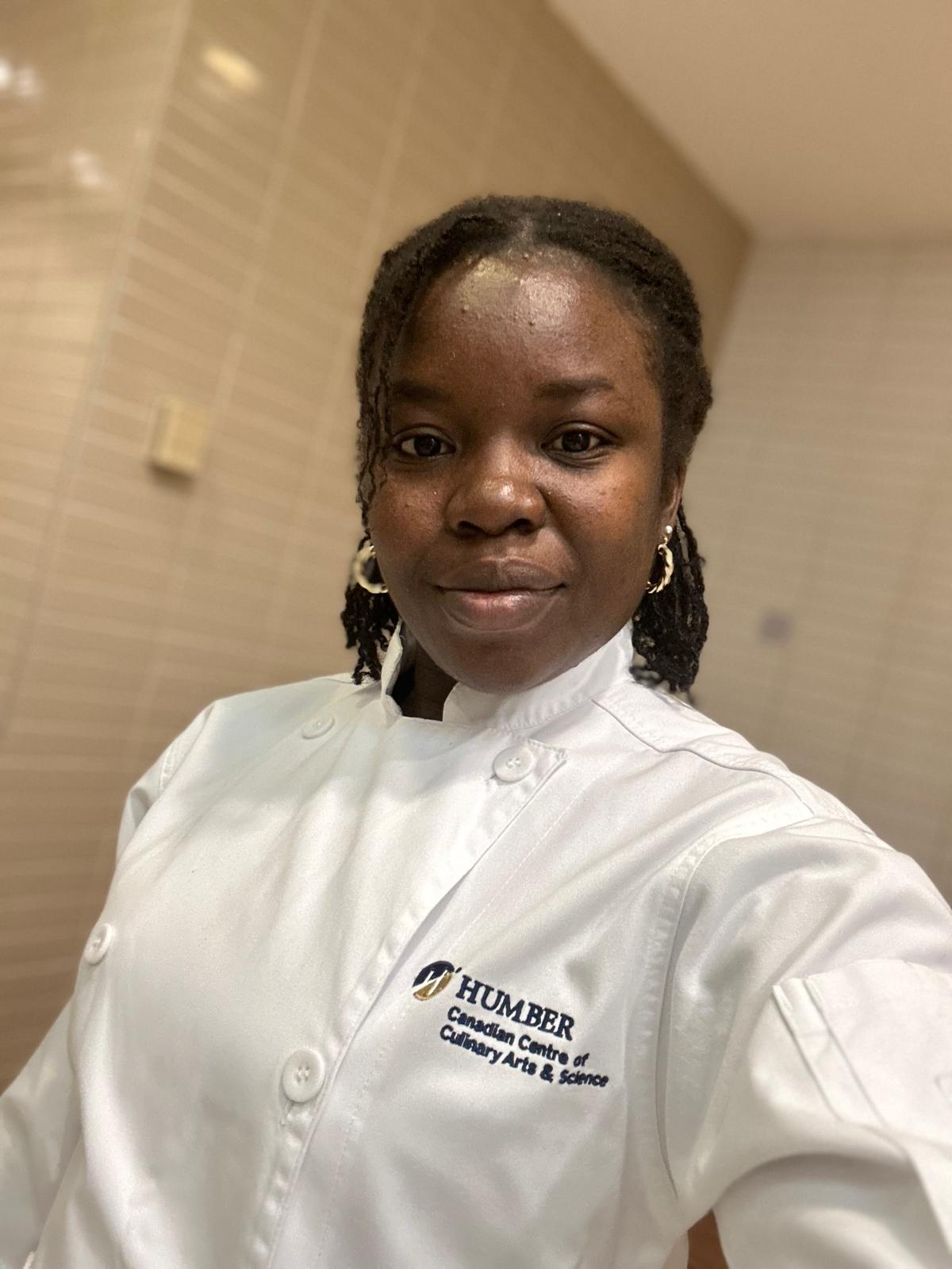
I enrolled in Humber's culinary programme because I wanted to close the gap between what I knew instinctively and what I could articulate. I had been cooking our food since I was old enough to stand at a stove. I understood flavour. What I didn't have was the vocabulary — the classical framework that allows you to reverse-engineer a dish, to diagnose what's wrong, to push a technique further than your grandmother taught you.
The French brigade and the pantry from home.
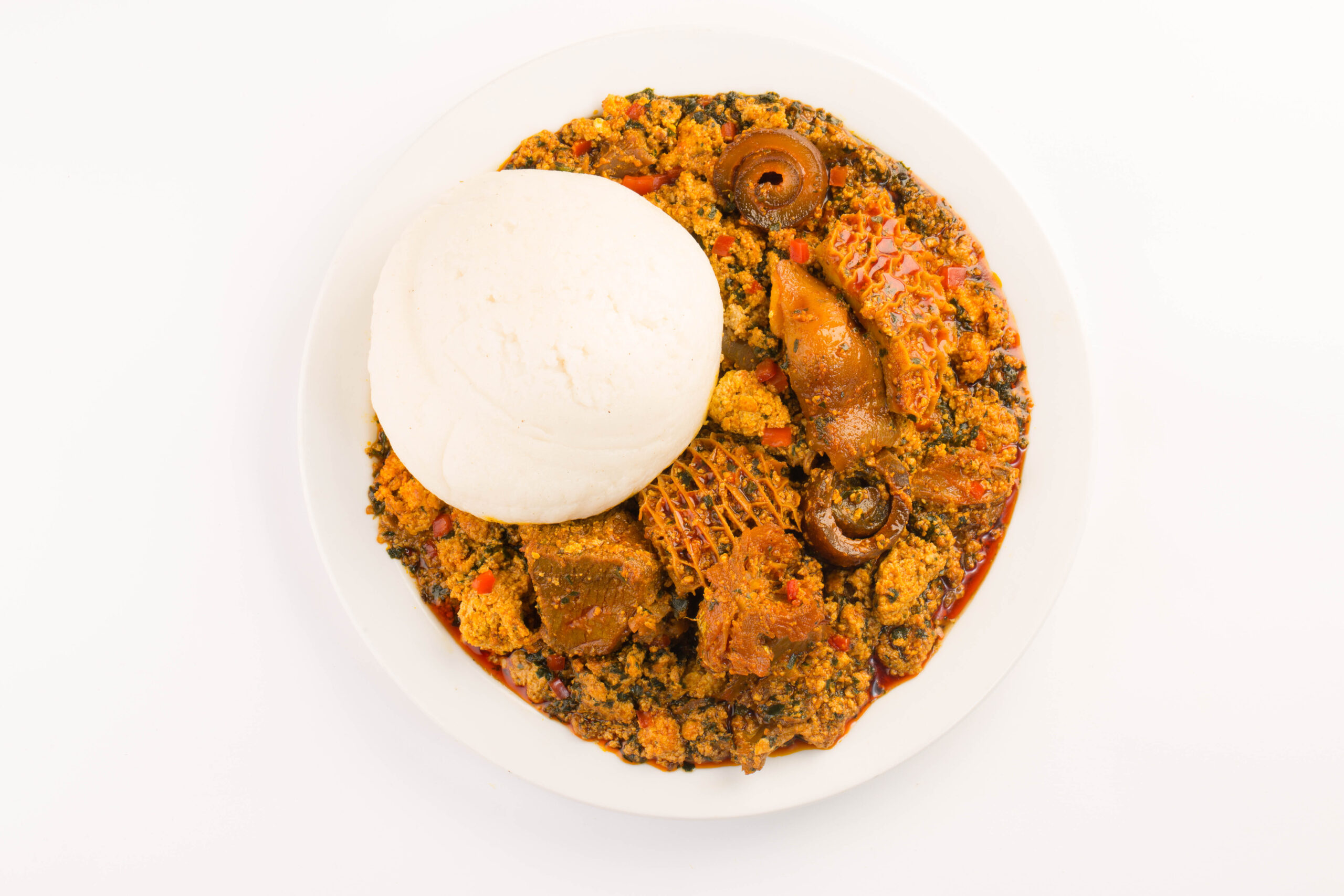
Culinary school teaches you French cooking first. This is not as strange as it sounds. French cuisine codified what every serious kitchen around the world eventually borrows — stocks, sauces, knife discipline, the logic of mise en place. You learn to make a beurre blanc before you're allowed anywhere near egusi. You break down a chicken fifteen times before the technique stops requiring thought.
What surprised me was how much it reflected what I already knew from home, just in a different language. The French notion of fond — the flavour base built by browning proteins and aromatics before anything else enters the pot — is exactly what my mother does when she starts a stew. She just doesn't call it fond. She calls it frying the tomatoes properly.
Every culinary tradition has its own logic. Classical training doesn't replace that logic — it gives you a second one to hold alongside it.
What school doesn't teach you.
It doesn't teach you your own food. Not really. You learn technique and you learn the canon — Italian, French, some Asian influences — but the application of that technique to your own heritage is homework you do yourself, at midnight, in your own kitchen, after a long day in someone else's.
That is fine. That is, in fact, the point. School gives you the tools. What you build with them is entirely your own. What I built was a version of The White Oats Studios — a kitchen that uses classical discipline in the service of our heritage flavour. The slow braise. The careful stock. The dough that rests. All things I already believed in, now with better reasons.
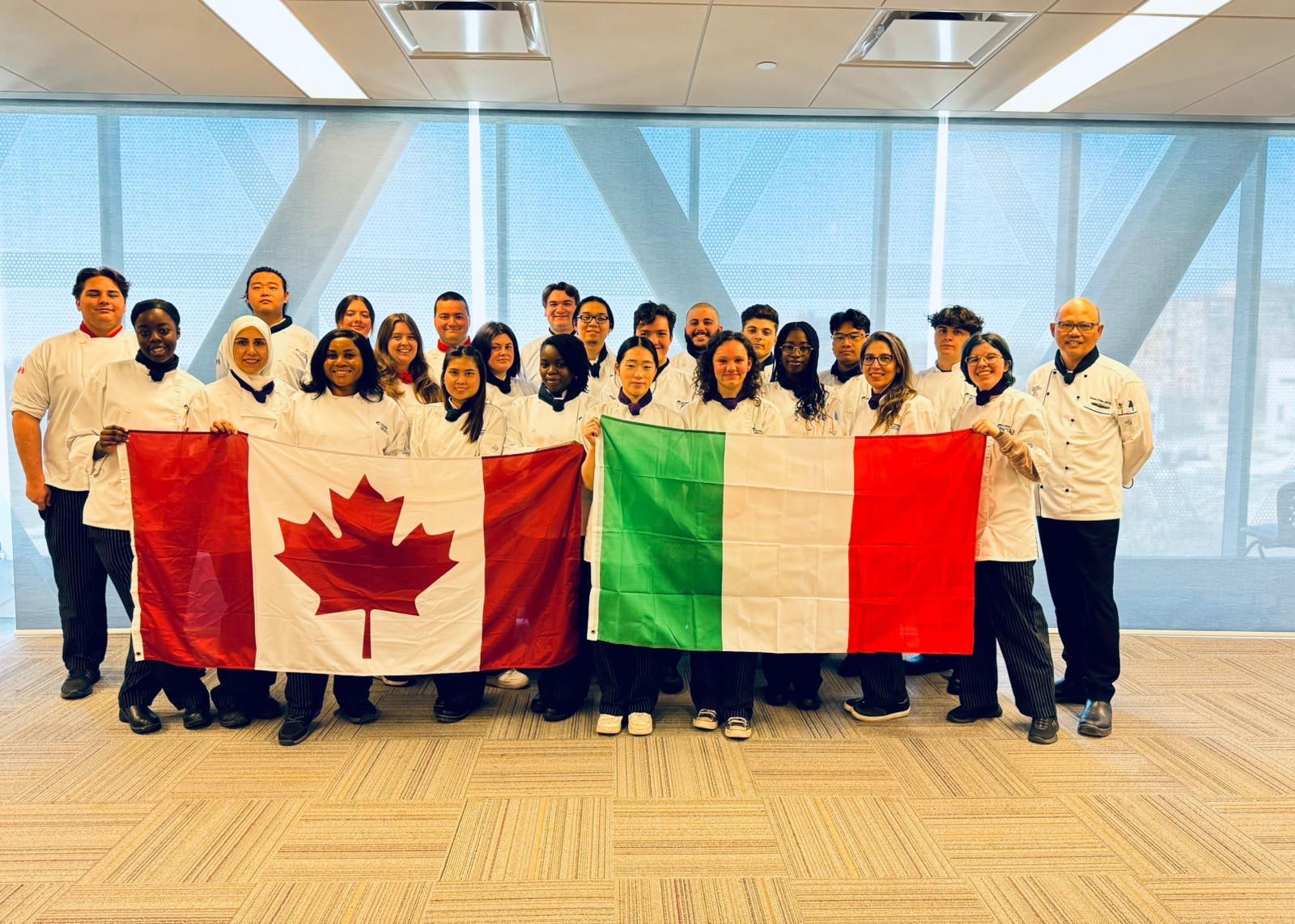
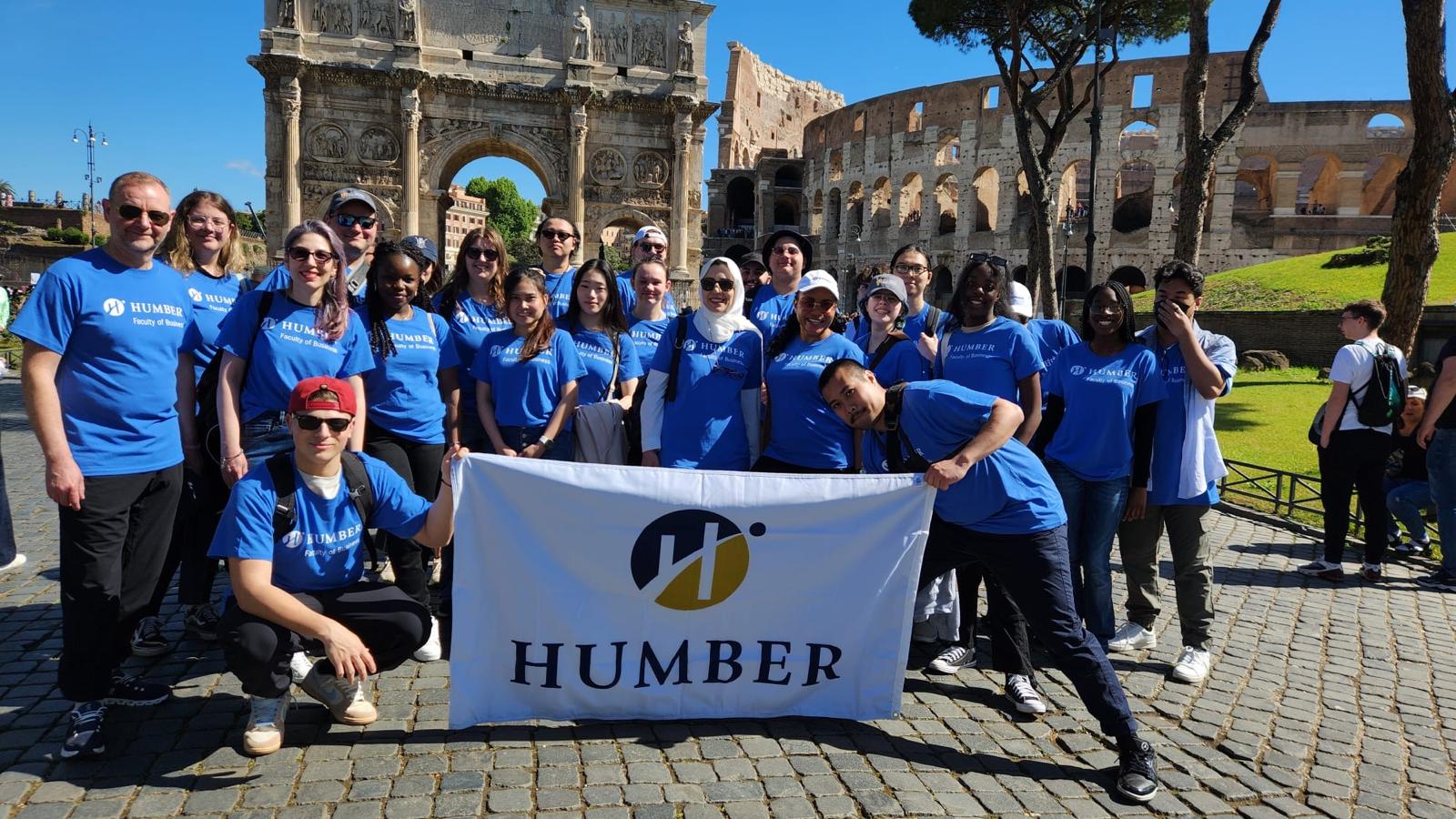
At the end of the year, our cohort was selected for a study exchange to Italy. I will write about that separately. For now, all I will say is that the person who boarded the plane was not the person who had started school twelve months earlier. And the person who came back from Italy was someone else again.